


"Dismantled" Title Brand: What It Means for Car Owners and Buyers
- "Dismantled" Title Brand: What It Means for Car Owners and Buyers
- What Is a "Dismantled" Title Brand?
- How Does a Vehicle Receive a "Dismantled" Title Brand?
- How States Handle the "Dismantled" Title Brand
- Dismantled Title vs. Salvage vs. Junk
- Impact of a "Dismantled" Title Brand
- Why "Dismantled Cars" Matter for Buyers & Sellers
- What Happens After a Vehicle Is Dismantled?
- FAQs About Dismantled Title Brand
- FREE Vehicle Search
Most cars on the road or for sale have a history that's free of significant damage or specialized use. However, when one of these situations occurs, the DMV may apply a title brand, which is a permanent notation tied to the vehicle identification number (VIN). These designations may help potential buyers understand a car's condition or past events that may affect its value, such as "Salvage", "Junk", or "Flood". Title brands can also reveal a car's previous use, like "Taxi", "Former Rental", or "Prior Police Vehicle".
The "Dismantled" Title Brand is among these classifications and indicates a vehicle at the end of its useful life. In short, this brand alerts consumers, sellers, and auto recyclers that the car can't be driven again and that its remaining value lies in its parts and metal. If you've come across a vehicle with the Dismantled Title Brand or are just curious about the meaning, here's a practical look at the details.
What Is a "Dismantled" Title Brand?
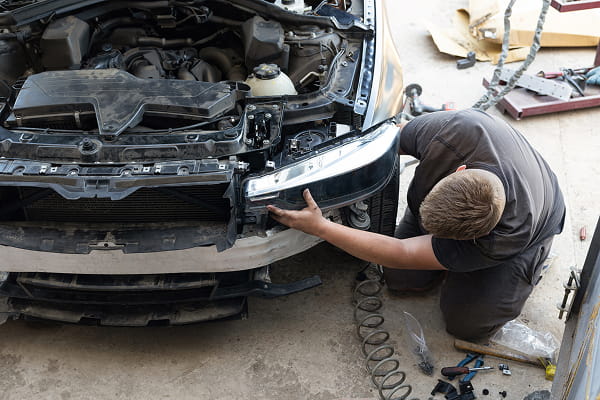
The Dismantled Title Brand is an official indicator that a vehicle cannot be repaired and resold as a used car, but becomes a source for parts and scrap. States apply this designation when a vehicle is turned over to a dismantler or has entered into a parts-only pipeline. At this point, it's non-operational and can't be restored for road use. However, components like engines, transmissions, wheels, airbags, electronics, and body panels may still have resale value.
How Does a Vehicle Receive a "Dismantled" Title Brand?
This final chapter in a vehicle's life usually results from a decision by an owner or insurance company that the car is too heavily damaged or too old to justify repair. When that happens, the vehicle is typically transferred to a licensed dismantler, scrap processor, or auto recycler. These businesses operate under state permits and follow specific reporting rules throughout the dismantling process.
A Dismantled designation is applied once the owner submits the vehicle for dismantling or when a licensed dismantler reports acquiring it for parts, prompting the DMV to update the title record to reflect its non-repairable status.
How States Handle the "Dismantled" Title Brand
Before covering how specific states handle the Dismantled and similar designations, it's essential to understand that title branding is state-controlled. Each DMV takes its own approach and may use terminology different from that of other jurisdictions, even though the National Motor Vehicle Title Information System (NMVTIS) publishes standardized terms. For example, Dismantled (Parts Only) is NMVTIS Brand Code 07.
Some states print "Dismantled" or "Parts Only" directly on the title. Others use different words, such as "Non-Repairable", "Scrap", or "Certificate of Destruction", even though these terms function just like Dismantled. A third group of states doesn't use the brand internally but still honors incoming Dismantled designations reported through NMVTIS.
Here's a breakdown of the contrasts among select states:
States Explicitly Using "Dismantled" or "Parts-Only" Wording
These states use clear, plain-language labels such as Dismantled, Parts-Only, or Non-Repairable/Parts-Only on titles or in official guidance. The wording leaves no doubt about the vehicle's status, and rules are generally straightforward for buyers and sellers.
State |
In-State Brand or Wording |
Description |
|---|---|---|
Arkansas |
Parts-Only Title |
Vehicle is declared salvage and issued a Parts-Only Title. It must be dismantled for parts or scrap and cannot be retitled or registered again. |
Connecticut |
Salvage - Parts Only / Unrepairable / Unrebuildable |
CT stamps "Parts Only" on titles for severely damaged vehicles. These cars are permanently non-repairable and cannot be registered again under any circumstances. |
Maryland |
For Parts Only (auction/MVA practice) |
Vehicles labeled for parts only at auction cannot receive a Maryland title. The state treats them strictly as dismantle-only units with no registration pathway. |
Oregon |
Dismantled / Parts-Only / Junk / Destroyed |
Oregon's rules classify certain vehicles as Dismantled or Destroyed, placing them firmly into the dismantler/scrap pipeline with no retitle option. |
Alaska |
Non-Repairable / Parts-Only Title |
Alaska uses a non-repairable/parts-only designation for severely damaged vehicles. Once branded, the car cannot be retitled anywhere again. |
Equivalent Terminal Brands (Different Words, Similar Function)
These DMVs don't always use the exact word "Dismantled", but their Non-Repairable, Scrap, or destruction-related labels serve the same purpose. A vehicle with one of these brands cannot return to road use, even if the wording differs.
State |
In-State Brand or Wording |
Description |
|---|---|---|
California |
Non-Repairable Vehicle / Junk |
A non-repairable vehicle is suitable only for parts or scrap. Once this certificate is issued, the car cannot be rebuilt or retitled for road use. |
Michigan |
Scrap Title |
Michigan's scrap title is final and cannot be rebuilt or retitled, except in limited circumstances involving the state's assembled-vehicle process. |
Louisiana |
Certificate of Destruction |
This certificate applies to severely damaged or water-damaged vehicles. Once issued, the car must be dismantled and cannot receive a standard title again. |
States That Process / Enforce NMVTIS Brand 07 (Dismantled)
These jurisdictions may not issue Dismantled labels themselves but enforce Dismantled/Parts-Only brands reported by other states and by NMVTIS. If a vehicle arrives with a Dismantled notation, these DMVs lock in that status.
State |
How They Handle NMVTIS "Dismantled" |
Description |
|---|---|---|
Florida |
NMVTIS 07 (Dismantled) or 08 (Junk) → no Florida title issued |
Florida refuses to issue any title for a vehicle marked Dismantled/Junk in NMVTIS. These cars can only be disposed of through destruction or derelict-vehicle channels. |
Texas |
NMVTIS 07 → Nonrepairable Title |
Texas converts incoming Dismantled/Parts-Only codes into a non-repairable Texas title. These vehicles stay permanently non-roadworthy. |
Virginia |
Out-of-state Parts-Only / Non-Repairable / Junk → treated as Non-Repairable |
Virginia honors incoming Parts-Only or Dismantled brands. If another state or NMVTIS marks the car as Non-Repairable, Virginia keeps that designation. |
Dismantled Title vs. Salvage vs. Junk
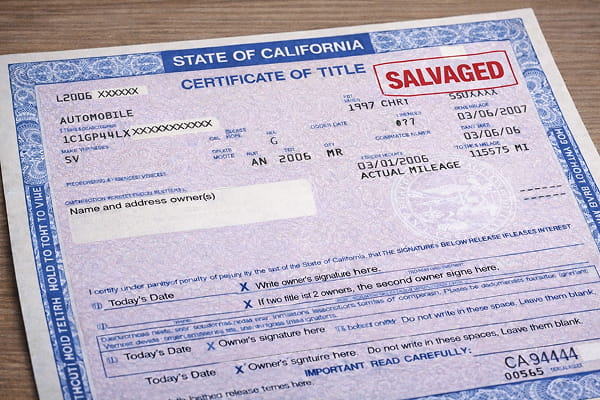
The average consumer can be overwhelmed by the various title brands, especially those indicating a car's condition. The best way to eliminate any confusion is to think of the designations as different stages of a vehicle's life cycle. A car with a Dismantled Title Brand has already moved from damaged to beyond repair. Meanwhile, the Salvage and Rebuilt labels reflect earlier or intermediate stages.
Dismantled Title Brand
A vehicle with a Dismantled Title Brand has been marked for disassembly or has already been taken apart. It's a designation that means this is a parts-only car that can't be restored to roadworthy condition.
Salvage Title
It's not unusual to come across a Salvage Title vehicle in a Facebook Marketplace or Craigslist post. In simple terms, this classification is usually the result of an insurance company's total loss declaration. However, Salvage cars can often be repaired and returned to the road following a state-mandated inspection.
Junk/Irreparable Title
A Junk or Irreparable vehicle is often seen as the last stop before dismantling. These vehicles are considered scrap and have no path back to registration and on-road use. Some states use "Junk" where others use "Dismantled". The real difference is whether the car was formally taken apart or simply declared unfit for the road.
Rebuilt Title
As the name implies, a car with the Rebuilt Title Brand has been restored, usually from Salvage status. The process requires comprehensive repairs and a state-mandated inspection. At this point, the vehicle is considered roadworthy and eligible for road use. Think of this designation as the automotive equivalent of reincarnation, extending a car's life cycle.
Because these labels can look similar at first glance, checking the VIN against a verified NMVTIS-based vehicle history report from GoodCar can help confirm the car's title brand.
Impact of a "Dismantled" Title Brand
There's no question about the meaning of the Dismantled Title Brand. It's a permanent designation with significant consequences that affect different activities.
Resale
A Dismantled Title means the car can't be sold as a functioning vehicle. While it may be purchased as a donor car for a restoration project, it's more likely to be broken into components available individually through licensed dismantlers, recyclers, or parts resellers. Parts value is what matters. Engines, body panels, electronics, and mechanical assemblies may still have considerable worth.
Registration
Regardless of the state, registration and license plates aren't possible for a vehicle with this classification. The car is unfit for the road.
Ownership
In many states, legal disposal or dismantling of a salvage vehicle is handled by licensed dismantlers, scrap processors, or licensed recyclers. These businesses may be required to report these transactions and follow disposal regulations.
Why "Dismantled Cars" Matter for Buyers & Sellers
Not every car buyer is looking for something drivable. Enthusiasts may be looking for a cost-effective source of high-value parts, just as repair and restoration shops do. At the same time, sellers must comply with state rules.
Buyers
Purchasing a car with a Dismantled Title Brand can be more cost-effective than buying individual parts, especially for larger projects. However, some states limit who can obtain these vehicles. Before purchasing, it's smart to verify the vehicle's title history through a reputable NMVTIS-connected report to ensure the Dismantled Title Brand was recorded correctly.
Sellers
Sellers have multiple responsibilities, including observing state dismantling laws and ensuring there's no misrepresentation about the car's lack of suitability for registration or repair. Failing to comply with regulations can lead to fines and fraud charges.
Legal Compliance
Both parties to a transaction involving a Dismantled Title Brand vehicle must be observant of the law. Buyers must confirm they're eligible to make such a purchase, and sellers have to follow mandated reporting and disposal procedures.
What Happens After a Vehicle Is Dismantled?
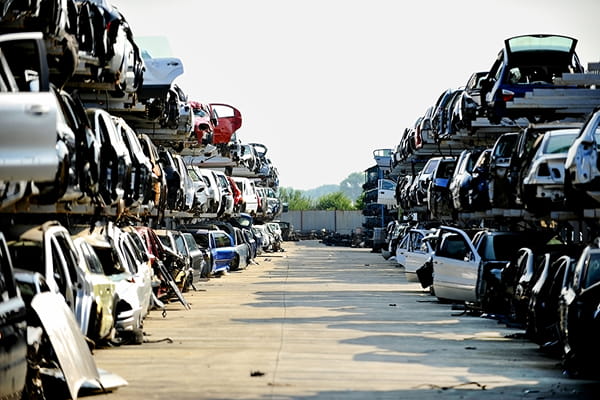
Here's a general overview of what happens when a car is disassembled:
-
Official Record Update: The state motor vehicle agency marks the vehicle as Dismantled in its VIN-based title database. The information is also sent to NMVTIS.
-
Title Conversion: The DMV issues a Dismantled, Non-Repairable, or Parts-Only title, or replaces the title with dismantler paperwork.
-
Transfer to a Licensed Dismantler: Ownership typically transfers to a recycling or dismantling business.
-
Parts Recovery: Functional components such as engines, transmissions, doors, wheels, and electronics are removed for resale or reuse. Body panels and interior parts may also be extracted.
-
Environmental Processing: Hazardous fluids are drained and properly disposed of.
-
Final Disposal: Remaining metal shells or frames are crushed and shipped for recycling.
FAQs About Dismantled Title Brand
State rules for vehicles with branded titles covering Dismantled, Non-Repairable, and Parts-Only classifications aren't uniform. Always check the current requirements with your state motor vehicle agency.
- "Dismantled" Title Brand: What It Means for Car Owners and Buyers
- What Is a "Dismantled" Title Brand?
- How Does a Vehicle Receive a "Dismantled" Title Brand?
- How States Handle the "Dismantled" Title Brand
- Dismantled Title vs. Salvage vs. Junk
- Impact of a "Dismantled" Title Brand
- Why "Dismantled Cars" Matter for Buyers & Sellers
- What Happens After a Vehicle Is Dismantled?
- FAQs About Dismantled Title Brand
- FREE Vehicle Search
FREE Vehicle Search
- Accidents
- Problem Checks
- Title Records
- Recalls
- Values
- Specs


-
 InfoPay, Inc. (dba GoodCar) is an Approved NMVTIS Data Provider
-

-
