


"Hazardous Substance Contaminated Vehicle" Title Brand: What Buyers Need to Know
- "Hazardous Substance Contaminated Vehicle" Title Brand: What Buyers Need to Know
- What Is a "Hazardous Substance Contaminated Vehicle" Title Brand?
- How Does a Vehicle Get a "Hazardous Substance Contaminated Vehicle" Title Brand?
- Sub-Types / Related Title Brands
- Who Assigns the "Hazardous Substance Contaminated Vehicle" Title Brand and Where It's Recorded?
- How States Handle the "Hazardous Substance Contaminated Vehicle" Title Brand
- Impact of a "Hazardous Substance Contaminated Vehicle" Title Brand
- Should You Buy a "Hazardous Substance Contaminated Vehicle"?
- FAQs About "Hazardous Substance Contaminated Vehicle" Title Brand
- FREE Vehicle Search
Whether you shop for a car through a dealer or a private seller, consumers need to be aware of title brands. These are indicators of something significant in a car's past. You may come across this notation on a printed title certificate or in the vehicle's electronic history. A title brand isn't automatically a bad thing, but it often is.
Sometimes, this designation may reflect prior use, such as a taxi or police car. A brand may also indicate a vehicle's unique status as an antique or classic. However, damage-focused brands, such as "Salvage", "Rebuilt", or "Flood", can raise questions about safety and resale value. Some classifications can also prevent a car from being driven on public roads.
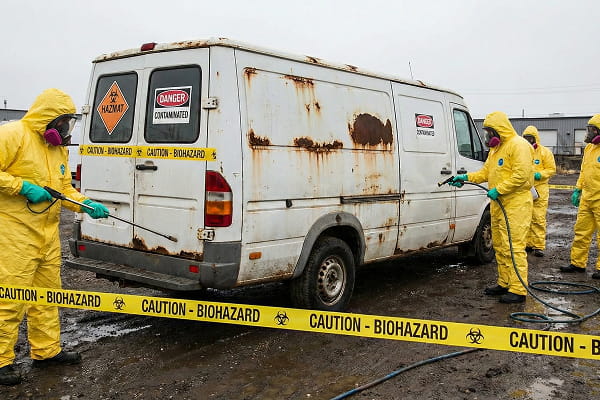
One of the more serious categories is the "Hazardous Substance Contaminated Vehicle" Title Brand. It's uncommon but requires attention due to the underlying health and safety risks. Once applied, this label can substantially change a car's outlook. A vehicle that appears to be in good condition may be destined for dismantling rather than resale. Understanding what this brand means can help you avoid harmful surprises and explain why some cars are being sold for unusually low prices.
What Is a "Hazardous Substance Contaminated Vehicle" Title Brand?
As the name implies, the "Hazardous Substance Contaminated Vehicle" Title Brand warns of exposure to some type of dangerous material. It's considered damage, but unlike the result of a collision or flood. The concern isn't about structural issues or electrical problems, but the presence of toxins inside that may be harmful to human life.
This contamination can take many forms. Chemical pollutants may have spilled or leaked into the vehicle. There could be biohazards from blood-borne pathogens or residue from criminal activity. The car could have come into contact with fire runoff (burn byproducts or chemical fire suppressant) or industrial waste.
This brand's purpose is to advise prospective buyers about the unique health and safety concerns that may exist. Contaminants aren't always visible and can be hard to detect in upholstery, carpeting, insulation, and ventilation systems. This designation creates a permanent record, ensuring consumers are fully aware of the risks associated with such vehicles.
How Does a Vehicle Get a "Hazardous Substance Contaminated Vehicle" Title Brand?
The process that leads to a "Hazardous Substance Contaminated Vehicle" Title Brand varies somewhat by state and situation, but usually follows a consistent pattern. The initial trigger is an incident that creates exposure to harmful materials. This can be a collision, a fire, a crime, or an unintended circumstance involving hazardous materials.
Next, public safety or insurance representatives assess the extent of the contamination. Testing or inspection may occur, depending on state requirements and the nature of the exposure. If the vehicle can't be restored to a safe condition, the brand is applied through the state motor vehicle agency. At this point, the designation becomes a permanent part of the car's history, traceable through the vehicle identification number (VIN). The National Motor Vehicle Title Information System (NMVTIS) federal database is also notified of the branding, enabling tracking of title brands across state lines.
Sub-Types / Related Title Brands
While NMVTIS provides general guidelines for title branding terminology, states may use different, sometimes overlapping, labels.
Hazardous Substance Contaminated Vehicle
The "Hazardous Substance Contaminated Vehicle" classification (NMVTIS Brand Code 55) is used for vehicles exposed to chemicals, biological hazards, or toxic substances. This brand is a direct public warning about a possible health or safety risk.
Biohazard / Chemical Contaminated
In some states, title wording focuses on the type of contamination rather than using the phrase "Hazardous Substance Contaminated Vehicle". Labels may reference biohazards, chemical exposure, or drug-related residue on the title, even though the underlying concern is the same: a vehicle exposed to dangerous substances.
Non-Repairable / Irreparable
Other jurisdictions may simply classify a contaminated vehicle as Non-Repairable. This brand usually prevents a vehicle from being restored for road use.
Flood Damage
Flooded vehicles aren't automatically connected with hazardous-substance branding, but can be affected by unsafe materials. Exposure to sewage, chemical runoff, or industrial waste can raise separate health concerns, even if the title is branded only as flood-damaged. Flooding also increases the risk of mold and bacteria growth, creating another contamination problem.
Because title branding terminology varies, a contaminated car may fall into different damage categories. This may be clear on the title certificate or visible only in a vehicle history report. Keep in mind that some labels point directly to contamination, while others merely reflect a broader classification (such as Non-Repairable), even when hazardous materials are the underlying cause.
Who Assigns the "Hazardous Substance Contaminated Vehicle" Title Brand and Where It's Recorded?
Branding authority usually lies with the DMV. Based on information from law enforcement, environmental authorities, or health officials, the motor vehicle agency will issue the title brand if contamination is confirmed.
Insurance companies may also play a role if contamination leads to a total loss declaration. This status is reported to the DMV, which can then apply a hazardous-substance designation or a comparable brand.
Once assigned, the brand becomes a permanent part of the vehicle's record. This classification may be added to the paper title certificate, but will appear in the state's electronic title record and in NMVTIS. Because title brands aren't always obvious, a VIN-based vehicle history report can provide a more complete picture of a car's background.
How States Handle the "Hazardous Substance Contaminated Vehicle" Title Brand
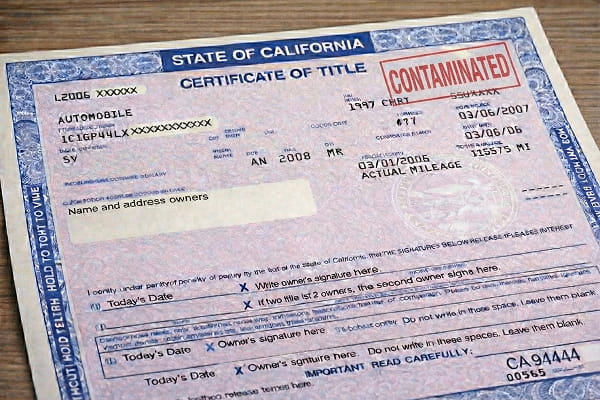
Only a few states apply contamination-specific title branding. Here's a look at how select jurisdictions apply the "Hazardous Substance Contaminated Vehicle" Title Brand or a closely related classification.
State |
Contamination Brand or Equivalent? |
How It Works |
|---|---|---|
Minnesota |
Yes, "Hazardous substance vehicle" (title brand) |
Minnesota applies a hazardous-substance title brand based on documentation from authorities, aligning closely with NMVTIS hazardous classifications. |
Washington |
Yes, "Contaminated" / "Decontaminated" (title brand) |
Washington's motor vehicle agency may brand titles when a vehicle is declared contaminated by local health authorities, with a separate designation if remediation has been completed. |
Tennessee |
Yes, "Methamphetamine Vehicle" (title brand variant) |
Tennessee labels vehicles involved in methamphetamine production; the brand follows the vehicle and may lead to permanent restriction from road use in some cases. |
There's inconsistency among states in how they apply contamination branding. Some jurisdictions call attention to the nature of the hazard, while others get even more specific, such as with labeling for meth exposure. Fortunately, they all advise future buyers that the vehicle's condition is different from routine damage.
Notably, some states may still regulate contaminated vehicles without a related title brand. For example, Colorado assigns responsibility for methamphetamine cleanup and inspection to health and environmental officials, but doesn't apply a contamination-specific title brand at the DMV level. Importantly, this means that contamination-related damage may never appear in title records.
Impact of a "Hazardous Substance Contaminated Vehicle" Title Brand
The effects of a "Hazardous Substance Contaminated Vehicle" Title Brand are significant and should be carefully considered before purchasing a car with this designation.
Resale Value
A contaminated vehicle may have a substantially reduced resale value, which can make it an attractive purchase. However, the extent of the contamination can be challenging to measure precisely. Metals, plastics, fabric, wiring, and air systems can absorb and trap harmful material, even after decontamination. The risk and uncertainty are enough to discourage many buyers. Resale options often involve parts, scrap, or specialized disposal.
Financing
Traditional lenders tend to avoid making loans on vehicles with damage-related title brands, and contaminated cars certainly fall into this category. Unpredictable valuations and reduced resale opportunities may make these vehicles unsuitable as collateral.
Insurance
Finding coverage for any vehicle that can't be driven legally on a public road may be challenging. Insurers may also be uncertain when questions arise about occupant health, mechanical integrity, and valuation. There may be limited options through specialty carriers.
Health & Safety
Above all, a contaminated vehicle can affect human health, which is more impactful than dealing with cosmetic flaws or structural damage. Toxic residue, particularly from meth labs, can linger in cabin surfaces, insulation, HVAC components, trunk liners, sound-deadening material, and foam padding. There are also risks if the exposure involves fire damage or a chemical spill. The threat may not be visible or detectable without testing. Owners and technicians face exposure risks when working around contaminated vehicles.
Should You Buy a "Hazardous Substance Contaminated Vehicle"?
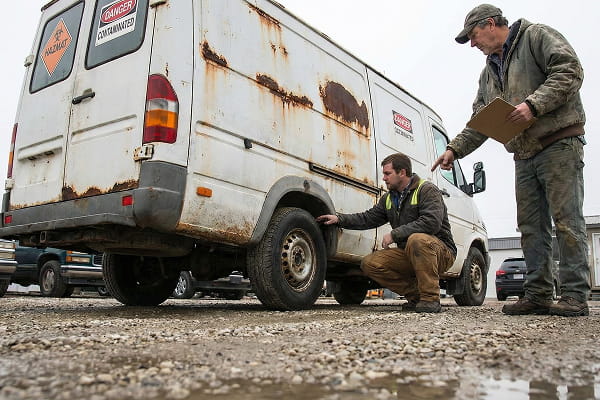
There are many risks associated with buying a car with a Hazardous Substance Contaminated Vehicle Title Brand. The greatest threat is the possibility of exposure to dangerous materials. However, a bargain price can be very appealing.
Here's what you need to balance when making a purchase decision:
Pros |
Cons |
|---|---|
|
|
Buyer Checklist
Purchasing a hazardous-substance vehicle requires even more diligence than with an ordinary car. Steps to follow include:
-
Confirm the Brand: Review the title certificate for branding and the terminology used.
-
Obtain a Title Report: Get a title report from the DMV to verify any branding.
-
Check the VIN: Order a vehicle history from an NMVTIS-approved provider, such as GoodCar, to identify any title brands, especially those applied in other states.
-
Verify Restrictions: Confirm with the DMV if the vehicle can be titled, registered, and used on public roads. Otherwise, treat the car as a parts-only vehicle.
-
Check for Special Handling Regulations: Some states regulate contamination issues through public-health or environmental agencies, so it's worth checking local requirements before purchase.
-
Review Documentation: Inspect reports and restoration work orders to identify the specific type of contamination and any correction efforts.
-
Test for Contamination: Hire a professional testing firm to check the car's contamination level.
-
Obtain a Pre-Purchase Inspection: If the intent is to return the vehicle to public road use, have a trusted mechanic inspect the car for mechanical and other issues. Advise the technician of the car's contamination history before proceeding.
FAQs About "Hazardous Substance Contaminated Vehicle" Title Brand
Rules vary by state and can change. Check with your motor vehicle agency before buying or registering any contaminated vehicle.
- "Hazardous Substance Contaminated Vehicle" Title Brand: What Buyers Need to Know
- What Is a "Hazardous Substance Contaminated Vehicle" Title Brand?
- How Does a Vehicle Get a "Hazardous Substance Contaminated Vehicle" Title Brand?
- Sub-Types / Related Title Brands
- Who Assigns the "Hazardous Substance Contaminated Vehicle" Title Brand and Where It's Recorded?
- How States Handle the "Hazardous Substance Contaminated Vehicle" Title Brand
- Impact of a "Hazardous Substance Contaminated Vehicle" Title Brand
- Should You Buy a "Hazardous Substance Contaminated Vehicle"?
- FAQs About "Hazardous Substance Contaminated Vehicle" Title Brand
- FREE Vehicle Search
FREE Vehicle Search
- Accidents
- Problem Checks
- Title Records
- Recalls
- Values
- Specs


-
 InfoPay, Inc. (dba GoodCar) is an Approved NMVTIS Data Provider
-

-
