


"Kit" Title Brand: What It Means and How Kit Cars Are Titled
- "Kit" Title Brand: What It Means and How Kit Cars Are Titled
- What Is a "Kit" Title Brand?
- How Does a Vehicle Get a "Kit" Title Brand?
- Sub-Types / Related Title Brands
- Who Assigns the "Kit" Title Brand & Where It's Recorded
- How States Handle the "Kit" Title Brand
- Impact of a "Kit" Title Brand
- Should You Buy a "Kit" Vehicle?
- FAQs About "Kit" Title Brand
- FREE Vehicle Search
While focusing on details like price and condition is always important when shopping for a car, there are less visible factors that are just as critical. Among them is what's printed on the vehicle's title certificate. All it takes is a few words to fundamentally change what you're buying. Called a title brand, this official designation is applied by the DMV to record something significant in a car's history.
Many title brands, such as "Salvage", "Flood", or "Rebuilt", are connected to damage-related events and negatively affect a vehicle's value and marketability. Other classifications capture prior use, including as a "Taxi" or "Former Rental". Still, some title brands reflect a car's uniqueness and may actually boost resale value; "Classic" and "Antique" fall into this category.
There are also designations that focus on how the vehicle was created; the "Kit" Title Brand falls squarely into that category. It applies to cars assembled through non-traditional manufacturing methods rather than produced as complete factory vehicles.
Because vehicle titling is handled on the state level, classifications for kit-built vehicles can vary depending on where the car is registered. We'll break down the details and explore the impact of a Kit Title Brand.
What Is a "Kit" Title Brand?
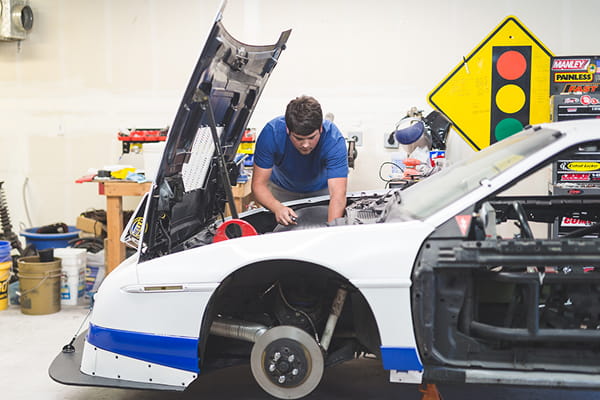
The Kit Title Brand is used to identify a car assembled from a component kit or separate parts rather than built by an original equipment manufacturer (OEM) as a complete product. A factory-built vehicle results from a detailed design and assembly process that produces a standardized product that meets federal safety and emissions requirements. A kit-built- car follows a very different path. The builder may be one person or a specialty shop, working from individual parts or supplied components, or a combination of the two.
Kit vehicles vary in complexity. Some kits come almost complete with a rolling chassis with a suspension and body panels, while others are mere shells requiring an engine, transmission, steering, brakes, wiring, and interior. Ultimately, no two kit cars are exactly alike, even if the underlying parts are from the same kit manufacturer.
The purpose of the Kit Title Brand is to disclose the car's non-standard origin. Even if the vehicle looks like something that rolled off an assembly line, buyers will know that it didn't. That doesn't automatically mean poor build quality or compromised safety standards. It's an indicator that the purchaser is responsible for determining these elements. In short, this designation is about transparency and informed decision-making.
How Does a Vehicle Get a "Kit" Title Brand?
The application of the Kit Title Brand isn't automatic. There are detailed steps involved before a kit car can legally be driven on public roads. It's a state-administered process that can vary by jurisdiction, but often follows a similar journey.
It begins with assembling the kit car, which may not be roadworthy at this stage or even have a vehicle identification number (VIN). Once the build process concludes, the owner applies for a title and registration with the state motor vehicle agency. It's not unusual for the DMV to mandate extensive documentation, which may require purchase receipts for the kit and major parts, proof of ownership for donor components, and details on the assembly process.
The application process may also include an inspection to check roadworthiness and compliance with relevant regulations. Depending on the state, the review may cover safety equipment, emissions compliance, VIN verification, and origin of the parts.
If the car passes inspection and the paperwork is approved, the state issues a title. In the few states that recognize the Kit Title Brand, the "Kit" term may be used. In other states, the same vehicle may be titled under a different category that reflects its non-standard construction. The takeaway here is that this title brand only reflects the build method, not how well the car looks or drives.
Sub-Types / Related Title Brands
We've covered what defines the Kit Title Brand, but it's not the only label used for a car that's built from parts outside of the factory assembly process. Unfortunately, the terminology for title branding is often inconsistent across states, which can be confusing for consumers. In the case of kit cars, you may encounter other classifications that can apply to kit-built cars. Keep in mind that not every state uses these terms.
Replica
A Replica Title Brand is applied to a vehicle that's designed to resemble a specific exotic or historic model. Often, these cars are kit-built, but this designation focuses on appearance instead of the assembly process.
Remanufactured
Some DMVs use a Remanufactured classification for vehicles built or returned to roadworthiness using new or reconditioned parts. In some instances, this broader designation may be applied to cars that would otherwise be considered kit-built.
Reconstructed
The Reconstructed Title Brand may be applied to vehicles assembled from multiple components (often with used parts). In states that don't use a Kit Title Brand, kit-built vehicles may be titled this way instead.
Who Assigns the "Kit" Title Brand & Where It's Recorded
Like with most title brands, the authority to add a Kit designation to a car's title rests with the state motor vehicle agency. In the case of a kit vehicle, the classification occurs only after a documentation and inspection process. In a few states (covered below), the brand may appear on the printed title certificate.
This status is recorded in the DMV's electronic title records and is usually reported to the National Motor Vehicle Title Information System (NMVTIS). NMVTIS, a federally administered database, uses standardized brand codes, which not all states have adopted. NMVTIS helps keep track of title and brand information, especially when vehicles are retitled in another jurisdiction.
When reported to NMVTIS, the Kit Title Brand corresponds to Brand Code 06. Vehicle history reports that draw from NMVTIS data may display the classification using the issuing state's terminology. Depending on the jurisdiction, a kit-built vehicle may appear as "Kit" or under an equivalent label that reflects non-standard construction.
How States Handle the "Kit" Title Brand
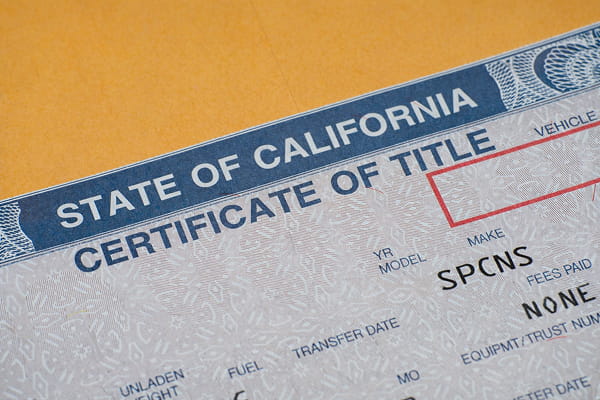
The process for classifying kit-built vehicles varies widely by state. Some jurisdictions use a specific Kit Title Brand, while others use broader categories. Here's an overview of the process for select states.
States With a Documented "Kit" Title Brand
The DMVs in these states use a specific "Kit" designation that's applied during the titling process.
State |
How the "Kit" Brand Is Documented |
|---|---|
Vermont |
Vermont assigns the Kit Title Brand using Brand Code 06, which is reflected in its official title branding system. |
Florida |
Florida maps the "Kit" designation through its title brand translation system, aligning state records with NMVTIS reporting and Brand Code 06. |
States That Title Kit-Built Vehicles Under Other Classifications
In these jurisdictions, a kit-built vehicle still carries a non-standard label, but titling is handled under a broader construction-based category rather than a specific Kit Title Brand. Take time to understand the meaning behind these designations so there are no post-purchase surprises.
State |
Classification Used for Kit-Built Vehicles |
|---|---|
California |
California titles a kit-built car as a Specially Constructed Vehicle (SPCNS), with requirements tied to inspection and compliance rather than original model year. |
Texas |
Texas titles kit-built vehicles as assembled vehicles, with documentation and inspection requirements based on how the car was built. |
Impact of a "Kit" Title Brand
While owning a kit-built car can be distinctive and rewarding, the effects of a title brand can be far-reaching.
Resale Value
Even kit cars built with ready-made systems are unique, making standard valuation methods impossible. Instead, market pricing is based on build quality and collector interest. Examples that are poorly documented or constructed will struggle to attract buyers.
Financing
Traditional lenders rely on collateral value to protect a car loan in the event of a default. The uncertainty surrounding kit-built vehicle valuations makes standard financing unlikely. Cash purchases are the most likely arrangement, but specialty financing or an unsecured personal loan may be available.
Insurance
Once a kit vehicle is legal to drive on public roads, insurance coverage is usually obtainable. However, you may have to find an insurer that offers specialty or collector-car policies. Coverage may be limited to liability-only protection.
Registration
Remember that registration requirements vary by state; you'll want to verify what's applicable where you live. Depending on how a vehicle is classified, safety and emissions standards may be tied to the year the car represents, or the year it was completed. Emissions testing isn't required in many jurisdictions.
Should You Buy a "Kit" Vehicle?
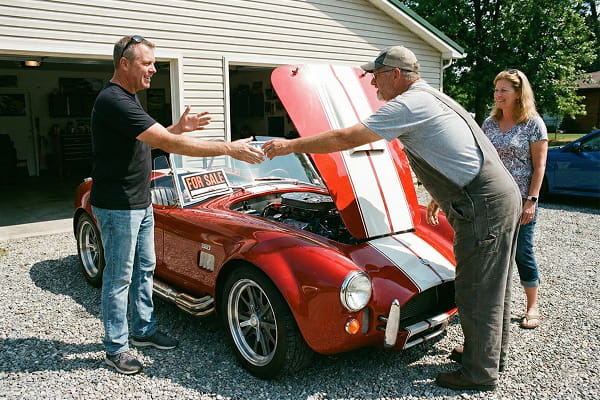
A kit-built vehicle can offer a unique opportunity for an enthusiast looking to drive something you won't see every day. However, such a purchase can have drawbacks. Here's what to consider:
Pros |
Cons |
|---|---|
|
|
Buyer Checklist
As with any car purchase, researching before buying can eliminate headaches later. These steps are especially crucial for kit-built cars due to their uniqueness and potential for questionable build quality.
-
Look at the Title: Examine the title certificate for any branding.
-
Order a Title Report: Contact the DMV for a copy of the vehicle's title history, which may reveal information not on the printed certificate.
-
Obtain a Vehicle History Report: Buy a VIN-based vehicle history report from an NMVTIS-approved provider like GoodCar. This information may provide more detailed title details and other crucial records.
-
Ask for Build Records: Request receipts or documentation showing the source of the major parts and how the vehicle was assembled. This information can provide insights into build quality and long-term reliability.
-
Confirm Registration Requirements: Verify with the appropriate DMV that the vehicle can be registered without requiring an inspection or reclassification.
-
Verify Insurance Coverage: Obtain an insurance quote and review coverage terms before entering into a transaction.
-
Have a Pre-Purchase Inspection Completed: Before buying, have an experienced mechanic or specialty shop inspect the vehicle for build quality, mechanical condition, and safety.
FAQs About "Kit" Title Brand
Rules for kit-built vehicles vary by state and may change. Confirm current requirements with the issuing state motor vehicle agency before purchase or registration.
- "Kit" Title Brand: What It Means and How Kit Cars Are Titled
- What Is a "Kit" Title Brand?
- How Does a Vehicle Get a "Kit" Title Brand?
- Sub-Types / Related Title Brands
- Who Assigns the "Kit" Title Brand & Where It's Recorded
- How States Handle the "Kit" Title Brand
- Impact of a "Kit" Title Brand
- Should You Buy a "Kit" Vehicle?
- FAQs About "Kit" Title Brand
- FREE Vehicle Search
FREE Vehicle Search
- Accidents
- Problem Checks
- Title Records
- Recalls
- Values
- Specs


-
 InfoPay, Inc. (dba GoodCar) is an Approved NMVTIS Data Provider
-

-
