


"Prior Owner Retained" Title Brand: What It Means for Car Buyers
- "Prior Owner Retained" Title Brand: What It Means for Car Buyers
- What Is a "Prior Owner Retained" Title Brand?
- How Does a Vehicle Get a "Prior Owner Retained" Title Brand?
- Sub-Types / Related Title Brands
- Who Assigns the "Prior Owner Retained" Title Brand & Where It's Recorded
- How States Handle the "Prior Owner Retained" Title Brand
- Impact of a "Prior Owner Retained" Title Brand
- Should You Buy a Vehicle with a "Prior Owner Retained" Title Brand?
- FAQs About Prior Owner Retained Title Brand
- FREE Vehicle Search
The average consumer doesn't think about a vehicle title brand until they see the designation on a title certificate or in a history report. A title brand is a notation issued by a state motor vehicle agency regarding a car's past. There are different classifications, but they generally involve damage, specialized use, or specific restrictions, which can impact registration and sales.
Common brands like "Salvage", "Rebuilt", "Flood", and "Antique Vehicle", while a lesser-known and sometimes confusing designation is "Prior Owner Retained". However, its meaning can have significant implications for an unsuspecting buyer. Simply put, this brand indicates that the vehicle was previously declared a total loss and then kept by the affected owner rather than purchased by an insurance company. That may not sound bad, especially if the car is in good running condition, but there are real-world considerations that we'll cover. We'll also explain what this brand means in greater detail, how states handle it, and what buyers should watch for.
What Is a "Prior Owner Retained" Title Brand?
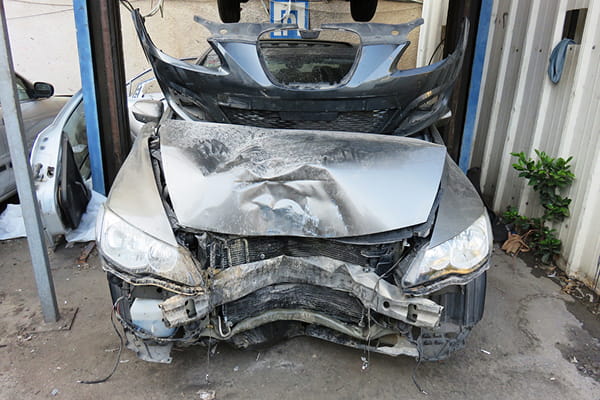
The primary red flag associated with the Prior Owner Retained Title Brand is that the vehicle has a total loss history. In other words, the damage was so severe that the insurer determined it was too costly to repair. This could result from an accident or another type of incident. Often, state law requires a total loss declaration if restoration costs exceed a certain threshold compared to the car's pre-loss cash value.
Yet this title brand comes with a twist. Unlike the usual path, in which the insurance company pays the owner and takes possession of the vehicle (which is usually auctioned), a previous owner elects to keep the car. In these instances, the owner may have been willing to accept a lower claim amount or purchased the vehicle from the insurer at a discount. Why would someone do this? Perhaps the car has sentimental value, or the owner believes it can be repaired for less than the insurance company estimates.
The primary concern here is not the chain of ownership, but rather that the car at some point was significantly damaged and then restored. However, the circumstances are more unique. Once the vehicle is sold or transferred, the title reflects that its previous owner kept a total-loss vehicle. The Prior Owner Retained Title Brand is then applied.
This classification corresponds directly with Brand Code 38, administered by the National Motor Vehicle Title Information System (NMVTIS). Importantly, this differs from Brand Code 32 (Owner Retained), which appears while the original owner still has the totaled vehicle. Code 38 appears in a vehicle history report only after the car is sold, confirming that a total-loss history occurred under the prior owner and must be carried forward to the next titleholder.
How Does a Vehicle Get a "Prior Owner Retained" Title Brand?
Once the insurance settlement is finalized and the owner opts to keep the totaled vehicle, the process shifts from the claim itself to the resulting paperwork. Insurance companies report total-loss settlements to state DMVs and NMVTIS. That report includes whether the owner retained possession of the vehicle instead of surrendering it to the insurer.
Some states update the title record, while others rely on NMVTIS to store Code 32. This status doesn't change as long as that owner retains the title, though in many states it exists only as an NMVTIS code rather than printed wording. Brand Code 38, Prior Owner Retained, only surfaces when the vehicle is sold to someone else. At this point, the state motor vehicle agency updates the title record to reflect the ownership change, and the new brand is applied. This measure ensures prospective buyers are informed of the total-loss event, even if the owner involved is no longer in the picture.
Behind the scenes, NMVTIS stores both stages of that history. State DMVs then reference these records when issuing new titles, processing transfers, or verifying inbound out-of-state documentation. As a result, there are paper and digital trails that preserve this information, regardless of where the car is titled or how many owners there are down the line.
Sub-Types / Related Title Brands
Before further explaining how states are involved in the Prior Owner Retained classification, it's helpful to understand the broader group of title brands associated with total loss and salvage scenarios. It's not unusual to see more than one of these labels in a vehicle history report, because they're all related to the same underlying event (the incident that caused the total-loss declaration).
Total Loss / Salvage
A vehicle that meets the insurance or statutory damage threshold is recorded as a total loss. In NMVTIS, this may appear under Brand Code 31 (Totaled) or Brand Code 11 (Salvage), depending on how the reporting party classifies the event. The brand may appear on the title certificate, the DMV's electronic records, or only with the NMVTIS database, and is usually a precursor to the Owner Retained Title Brand.
Owner Retained
Code 32, Owner Retained, simply reflects that the owner kept possession of the damaged vehicle instead of surrendering it. The use of this brand code varies by state.
Prior Owner Retained
Code 38, Prior Owner Retained, only applies after an Owner Retained vehicle is sold. The transaction triggers this updated brand title to reflect that total-loss retention occurred under a previous owner. The wording may differ by jurisdiction, but the underlying purpose is the same: to preserve that earlier loss in the title history.
Who Assigns the "Prior Owner Retained" Title Brand & Where It's Recorded
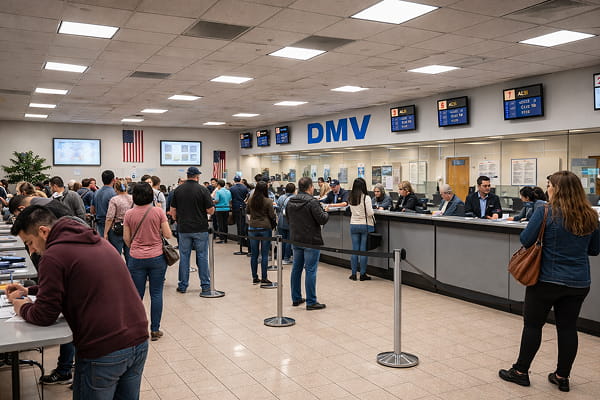
Once a total-loss settlement involving owner retention is reported, the state motor vehicle agency updates the title record, and the information is also captured in NMVTIS. From that point on, the notation becomes part of the vehicle's permanent history. As with other title brands, the label may appear on the printed title, in the DMV's electronic file, or only in an NMVTIS-based history report. This depends on the state motor vehicle agency, and the exact phrasing can vary. A prospective buyer reviewing the title or running a vehicle identification number (VIN) check will see the designation.
How States Handle the "Prior Owner Retained" Title Brand
Although NMVTIS provides a standardized map of brand codes, not all states follow the same path. Only a few DMVs use the Prior Owner Retained Title Brand, while a few others avoid the term in printed title but recognize Code 38 when titling vehicles from other jurisdictions. Here's a breakdown of how select states manage this title brand.
States that Directly Support the Prior Owner Retained Title Brand
State |
How the State Handles this Title Brand |
|---|---|
Massachusetts |
RMV forms and fee schedules include "Prior Owner Retained", making the designation part of the state's salvage-title vocabulary. |
Nebraska |
The County Treasurer Title Manual instructs clerks to enter "prior owner retained" when applicable, ensuring the phrase appears in state records. |
Vermont |
Vermont's rebuilt/salvage documentation includes "38 Prior Owner Retained" in its brand-code listing, signifying direct use. |
Wyoming |
WYDOT includes Code 38 in its NMVTIS guidance and instructs staff to preserve the brand when titling inbound vehicles. |
States that Recognize the Prior Owner Retained Title Brand (Code 38) through NMVTIS
State |
How the State Handles this Title Brand |
|---|---|
Texas |
Texas processes Code 38 but does not print "Prior Owner Retained" on state titles; the code is converted to existing Texas salvage classifications. |
Florida |
Florida accepts Code 38 in its NMVTIS workflow but folds it into state salvage/rebuildable designations rather than using a standalone label. |
Impact of a "Prior Owner Retained" Title Brand
Just as a car with a Salvage or Rebuilt Title Brand affects many aspects of vehicle acquisition and ownership, the Prior Owner Retained designation does the same.
Resale Value
Regardless of the car's condition and the quality of the restoration work, a title brand associated with vehicle damage can negatively impact resale value. It's a stigma that will remain with the car throughout its usable life.
Financing
Lenders like to offer loans on standard vehicles, which helps determine predictable valuations. A Prior Owner Retained Title Brand makes this calculation more challenging. So, you may find limited financing options, restricted to shorter terms, lower amounts, and higher interest rates.
Insurance
While a title brand may not be an obstacle to obtaining insurance coverage, you may only be able to secure a liability policy or coverage at a higher premium.
Registration
Depending on the state, the vehicle may need a post-repair inspection before it can be registered. If the state converts the record to a Rebuilt or Reconstructed Title, the inspection confirms the repairs meet safety standards. This extra step may be unnecessary if the vehicle has already been inspected.
Can a "Prior Owner Retained" Title Brand Be Removed?
The Prior Owner Retained Title Brand is permanent, there is no legal way to remove this designation. In some states, the classification may shift to Rebuilt after repairs and inspection, but a record of this status remains. The details remain preserved in the title chain and a VIN-based history report.
Should You Buy a Vehicle with a "Prior Owner Retained" Title Brand?
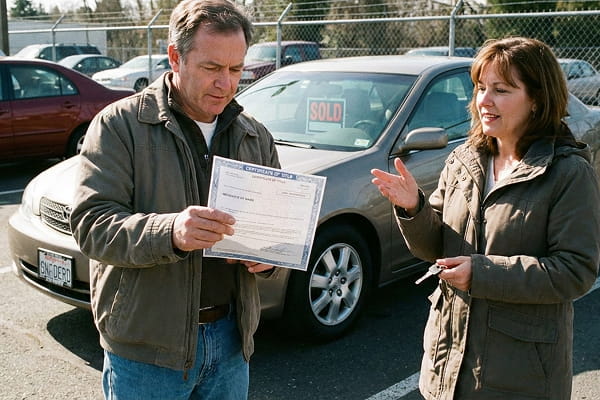
There's no secret formula for determining if purchasing a car with a Prior Owner Retained Title Brand is a wise move. You'll need to weigh the advantages and disadvantages to make a better-informed decision.
Pros
The primary appeal of a car with a branded title is a lower seller price. An automobile that may have been beyond the budget can become quite affordable. Kelley Blue Book reports that a vehicle with an unclean title can be worth 20-40% less than a counterpart with an unblemished ownership record. There's another way to extract value. The car's components may be worth more if used as a donor vehicle for a restoration project.
Cons
The downsides to the Prior Owner Retained Title Brand are similar to those of Salvage or Rebuilt vehicles. There's usually a smaller pool of interested buyers, making resale later more challenging. Your options for financing and insurance may be limited or more expensive. In addition, if you're not buying from the owner responsible for the restoration, there may be uncertainty about repair quality.
Buyer Checklist
Purchasing a car with a Prior Owner Retained Title Brand (or any title brand) requires diligent research to avoid any expensive surprises.
Start with the Title and DMV Records
Examine the title certificate to confirm the brand's presence. Regardless of the outcome, you'll still want to obtain a DMV title report that may disclose earlier entries, starting with a Salvage or Rebuilt designation and including the transition from Owner Retained (Code 32) to Prior Owner Retained (Code 38).
Run an NMVTIS-Based VIN Report
Because of the inconsistencies in how different DMVs report title brands, you want to obtain a comprehensive vehicle history report from an NMVTIS-approved provider like GoodCar. It's the best way to track the title chain, especially if the ownership transfer involves crossing state lines.
Review Repair Documentation
Examining shop invoices, parts receipts, and repair process photos can provide crucial insights into the quality and thoroughness of the restoration work. The materials may not be available if there have been multiple owners since the repair, but it's still worth investigating. If possible, have an experienced mechanic review the information.
Check for Required Inspections
Some states require a post-repair or safety inspection before a previously totaled vehicle can be registered. Confirm whether the car has already completed this process and whether the state converted it to a Rebuilt or Reconstructed title afterward.
Get a Pre-Purchase Inspection
A trusted and experienced mechanic can assess structural alignment, frame condition, airbag readiness, and the function of mechanical systems, with an eye out for any remnants of the original damage.
FAQs About Prior Owner Retained Title Brand
State rules for Prior Owner Retained branding vary. Always confirm how your state displays or interprets NMVTIS Code 38 before relying on this information.
- "Prior Owner Retained" Title Brand: What It Means for Car Buyers
- What Is a "Prior Owner Retained" Title Brand?
- How Does a Vehicle Get a "Prior Owner Retained" Title Brand?
- Sub-Types / Related Title Brands
- Who Assigns the "Prior Owner Retained" Title Brand & Where It's Recorded
- How States Handle the "Prior Owner Retained" Title Brand
- Impact of a "Prior Owner Retained" Title Brand
- Should You Buy a Vehicle with a "Prior Owner Retained" Title Brand?
- FAQs About Prior Owner Retained Title Brand
- FREE Vehicle Search
FREE Vehicle Search
- Accidents
- Problem Checks
- Title Records
- Recalls
- Values
- Specs


-
 InfoPay, Inc. (dba GoodCar) is an Approved NMVTIS Data Provider
-

-
