


"Remanufactured" Title Brand: Pros, Cons, and Buying Tips
- "Remanufactured" Title Brand: Pros, Cons, and Buying Tips
- What Does the "Remanufactured" Title Brand Indicate?
- Why Vehicles Get a "Remanufactured" Brand
- Differences From Other Title Brands
- How States Handle the "Remanufactured" Title Brand
- Impact of a "Remanufactured" Title Brand
- Pros and Cons of Buying a "Remanufactured" Vehicle
- How to Identify a "Remanufactured" Title Brand Before Buying
- Purchasing Considerations for "Remanufactured" Cars
- FAQs About the "Remanufactured" Title Brand
- FREE Vehicle Search
While a vehicle title can verify ownership, it can also be used to document the car's history, which comes to light as a title brand. This notation signals that something significant has happened in the vehicle's past, and can lead to designations like "Flood", "Fire Damage", or "Salvage". There are also commercial-use brands such as "Test Vehicle" or "Taxi", along with dozens of other classifications, including the "Remanufactured" Title Brand, which covers vehicles reconstructed by a licensed remanufacturer. These cars differ from the "Rebuilt" cars reassembled by some repair shops.
If you've come across a Remanufactured Title Brand vehicle for sale or already own one, there's much to consider. This designation differs from more familiar labels but can impact resale value, financing, and safety. Equally challenging is that only a few states issue a Remanufactured Title Brand. So, while you're less likely to encounter these types of vehicles, it's still vital to recognize what's involved in buying or selling one.
What Does the "Remanufactured" Title Brand Indicate?
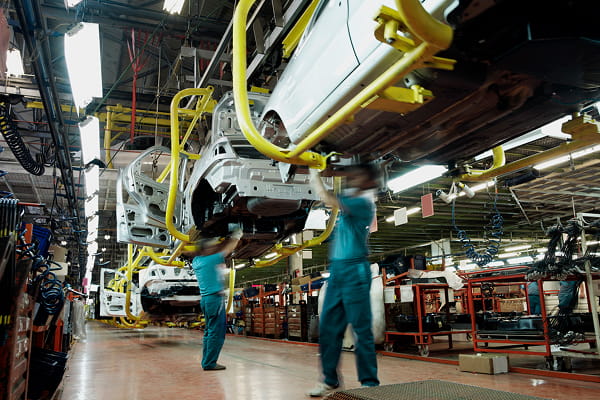
A Remanufactured Title Brand appears on vehicles rebuilt by a state-licensed remanufacturer. In simple terms, remanufactured means the vehicle has been rebuilt to near-new condition using reconditioned, recycled, or new parts under regulated standards. This business reconstructs vehicles on a larger scale than a typical body shop working on individual damaged cars. It's common for remanufacturers to rebuild vehicles in batches, often after purchasing retired fleets or as part of automaker-approved programs.
The process is similar to remanufactured auto parts, where a major component like an engine or transmission is disassembled and rebuilt to like-new standards, just on a much larger scale. In this case, the entire vehicle is being reconstructed. This title brand advises would-be purchasers that rebuilding was completed under more regulated conditions than a one-off project. California regulations are very specific in saying that a "remanufacturer is not a person who incidentally repairs, restores, or modifies an existing vehicle by replacing or adding parts or accessories".
Unlike "Rebuilt" titles, often issued after a total-loss insurance claim, a Remanufactured Title Brand doesn't necessarily follow severe accident damage. The remanufacturing process can reflect large-scale refurbishing or a factory-approved restoration effort. The most significant distinction is who completed the work: a licensed remanufacturer or a much smaller operation.
Why Vehicles Get a "Remanufactured" Brand
What constitutes a remanufactured vehicle and the accompanying title brand often comes down to state regulations. For example, Oklahoma requires that "remanufactured vehicle titles are issued for vehicles assembled by licensed vehicle remanufacturers, utilizing a new body along with original, reconditioned, or remanufactured parts, but which are not salvage, rebuilt, or junked vehicles".
In broader terms, remanufacturing can reflect several scenarios:
-
Mechanical Failure: The original engine, transmission, or other major system is no longer functioning to factory specification, requiring a complete rebuild using remanufactured or new assemblies.
-
Restoration from Donor Vehicles: Multiple cars are combined to produce one fully functioning vehicle that meets safety and emissions standards.
-
Factory or Authorized Rebuilds: Some companies specialize in large-scale automotive remanufacturing, restoring fleets or specialty models to near-new condition. This can include post-damage efforts following a flood or storm.
-
Specialty Electric Vehicle Conversions: Some state-licensed companies rebuild existing vehicles as electric conversions, which can lead to a Remanufactured Title Brand on qualifying vehicles.
The state motor vehicle agency will have a post-reconstruction verification process that might include documentation for the work and inspection for compliance with safety and emissions standards. These requirements must be met before a title is issued.
Differences From Other Title Brands
Recognizing the differences between the Remanufactured Title Brand and seemingly related designations can help buyers determine the level of restoration work and who completed the repairs.
Remanufactured vs. Salvage
A Salvage title usually results from an insurance company declaring a vehicle a total loss following a significant collision, flood, or other damage. This vehicle cannot be registered until it's rebuilt and inspected. In contrast, a remanufactured car isn't necessarily connected to a total loss. The rebuilding process involves a licensed company specializing in remanufacturing to a commercial standard rather than restoring an individual wrecked car.
Remanufactured vs. Rebuilt
Remanufactured and Rebuilt title vehicles involve reconstruction, but the scale and authority differ. Remanufactured involves a full vehicle reassembly process performed by a regulated business, while Rebuilt usually centers on an individual or repair shop doing the work with less state oversight.
Remanufactured vs. Clean
A Remanufactured Title Brand indicates the vehicle has undergone substantial reconstruction, even if it looks and drives like new. On the other hand, a clean title vehicle has no branding or damage history. Clean-titled cars are more appealing but usually sell for more than their counterparts with a Remanufactured Title Brand.
How States Handle the "Remanufactured" Title Brand
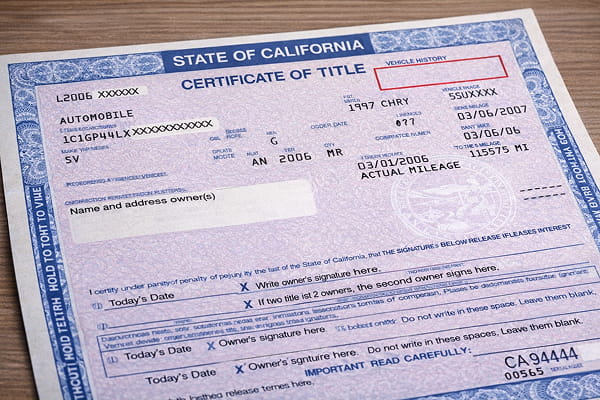
While the National Motor Vehicle Title Information System (NMVTIS) lists Remanufactured (Brand Code 21) as a title brand in its registry, only a few states actively use it. Each has its own definition, procedures, and consumer disclosure rules. Here's how select states handle the Remanufactured Title Brand or a similar designation.
California
The California Department of Motor Vehicles explicitly recognizes "Remanufactured" as a title brand. State regulations define a remanufactured vehicle as "constructed by a licensed remanufacturer and consists of any used or reconditioned integral parts". Titles for such cars are branded accordingly, and the DMV maintains separate licensing and inspection requirements.
Oklahoma
The Sooner State is another outlier in recognizing the Remanufactured Title Brand. State code specifies that Remanufactured is one of eight recognized title types, and the designation must be clearly displayed on the upper-right quadrant of the certificate. Vehicles registered for the first time under this classification must have a statement of origin from the remanufacturer.
Nebraska
Nebraska's Department of Motor Vehicles allows Remanufactured as a recognized brand entered under the "O" or "Other" code in its title system. According to the state's titling guide, the "Remanufactured" term is printed on the title when the documentation supports it.
Oregon
Oregon's approach to remanufactured vehicles is unique. The state doesn't apply the Remanufactured Title Brand, but instead uses a "Glider Kit" designation for trucks assembled with a new or remanufactured engine and drivetrain in an existing chassis. This notice functions similarly to a Remanufactured Title Brand, yet with a more limited scope. Although the state offers a "Reconstructed" title designation, it "is not a vehicle rebuilt by a manufacturer", according to regulations.
Impact of a "Remanufactured" Title Brand
A title with a Remanufactured Brand doesn't necessarily signal that a car is unsafe or uninsurable. Nonetheless, it's a designation that can impact resale value, insurance eligibility, and financing options, like most title brands.
Resale Value
One thing to expect with any title brand is reduced resale value. Kelley Blue Book reports a 20-40% reduction compared to an equivalent clean-title vehicle. Still, the actual loss in value depends on the type of vehicle, the extent of the rebuild, who performed the repairs, and the quality of the replacement parts. Documentation of the remanufacturing process and inspection records may help boost value.
Financing
The uncertainty of the resale value of a vehicle with a Remanufactured Title Brand makes financing challenging. Lenders may view such a transaction as high risk without a steady and standard resale benchmark. A buyer should expect a larger down payment requirement, higher interest rates, or shorter terms if a loan is available.
Insurance
Expect to jump through hoops to insure a remanufactured vehicle. At a minimum, a carrier will want verification that the car meets Federal Motor Vehicle Safety Standards (FMVSS). If coverage is available, rates may be higher, or a liability-only policy may be the sole option.
Registration
Each state determines what's required to register a remanufactured vehicle. For example, California and Oklahoma have detailed documentation and inspection processes. Assuming the car meets safety and emissions regulations, registration isn't impossible, just expect extra paperwork and pre-registration steps.
Pros and Cons of Buying a "Remanufactured" Vehicle
Buying a car with a Remanufactured Title Brand makes sense for buyers more concerned with saving money than strong resale value. There are other risks and trade-offs to consider:
Pros
-
Factory-Level Rebuilding: The remanufacturing process may be handled under automaker supervision or a state-licensed facility following OEM standards.
-
Extensive Testing and Quality Control: A remanufactured vehicle is more likely to have benefited from extensive component testing, rigorous reconstruction standards, and extensive documentation. This attention to detail isn't found in typical salvage repairs.
-
Lower Purchase Price: Remanufactured cars usually sell for less than clean-title equivalents, potentially creating a bargain opportunity under the right conditions.
Cons
-
Complex History: Remanufacturing may incorporate parts from different sources, making vehicle history harder to trace and subsequent problems harder to diagnose.
-
Limited Warranties: Don't expect a vehicle with a Remanufactured Title Brand to have a factory-backed warranty unless an automaker was involved in the reconstruction process.
-
Reduced Market Appeal: Any branded title will reduce the number of interested buyers, making resale more challenging and discouraging some lenders and insurers.
How to Identify a "Remanufactured" Title Brand Before Buying
Spotting a Remanufactured Title Brand is straightforward in states that print the designation on the title certificate.
-
Check the Title Document: Review the title certificate for the printed term "Remanufactured". This may appear under "brands", "remarks", or "type of title".
-
Verify with the DMV: Contact the issuing state's motor vehicle agency to confirm the vehicle's title status. You may have to submit a written request or obtain the information online, depending on the state. A small fee may be required.
-
Run a Vehicle History Report: Since only a few states report a Remanufactured Title Brand, obtaining a history report based on the vehicle identification number (VIN) is vital to get a more complete look at a car's background. GoodCar uses NMVTIS-supplied data and DMV-based details that can usually reveal title brands even if the designations were applied in another state.
-
Review Paperwork: A vehicle with a Remanufactured Title Brand should be accompanied by documentation revealing which company performed the restoration work and the repair details. Review this information before purchase.
Purchasing Considerations for "Remanufactured" Cars
It's crucial not to make assumptions when buying a vehicle with a Remanufactured Title Brand. Even if the car underwent a complex reconstruction and inspection, you should still verify the details.
-
Confirm Licensing: Request documentation that the rebuilder held a valid remanufacturer license or similar credentials when the work was completed. If available, review the company's reputation and reviews.
-
Examine Inspection Results: Review all inspection reports to validate that the vehicle passed safety and emissions testing after rebuilding.
-
Check Insurance and Financing Eligibility: Verify that the car qualifies for insurance coverage (and at what cost). If necessary, check if the vehicle can be financed.
-
Obtain a Vehicle History Report: If you haven't already, get a comprehensive vehicle history report from an NMVTIS-approved provider like GoodCar. You'll want to confirm any title brands and previous owner details.
-
Conduct an Independent Inspection: Hire a trusted mechanic with experience in remanufactured vehicles to check the car's operating condition. Ensure the rebuilt areas are still functional and the vehicle complies with safety and emissions regulations.
-
Plan for Resale: Understand that a low purchase price may be offset later with a reduced resale value.
Ideally, look for a well-documented remanufactured vehicle: the more transparency, the greater the buyer's confidence.
FAQs About the "Remanufactured" Title Brand
This article highlights the Remanufactured Title Brand. Title laws change over time and differ by state, so it's always smart to confirm current rules with your state's motor vehicle agency before buying any vehicle with a brand.
- "Remanufactured" Title Brand: Pros, Cons, and Buying Tips
- What Does the "Remanufactured" Title Brand Indicate?
- Why Vehicles Get a "Remanufactured" Brand
- Differences From Other Title Brands
- How States Handle the "Remanufactured" Title Brand
- Impact of a "Remanufactured" Title Brand
- Pros and Cons of Buying a "Remanufactured" Vehicle
- How to Identify a "Remanufactured" Title Brand Before Buying
- Purchasing Considerations for "Remanufactured" Cars
- FAQs About the "Remanufactured" Title Brand
- FREE Vehicle Search
FREE Vehicle Search
- Accidents
- Problem Checks
- Title Records
- Recalls
- Values
- Specs


-
 InfoPay, Inc. (dba GoodCar) is an Approved NMVTIS Data Provider
-

-
